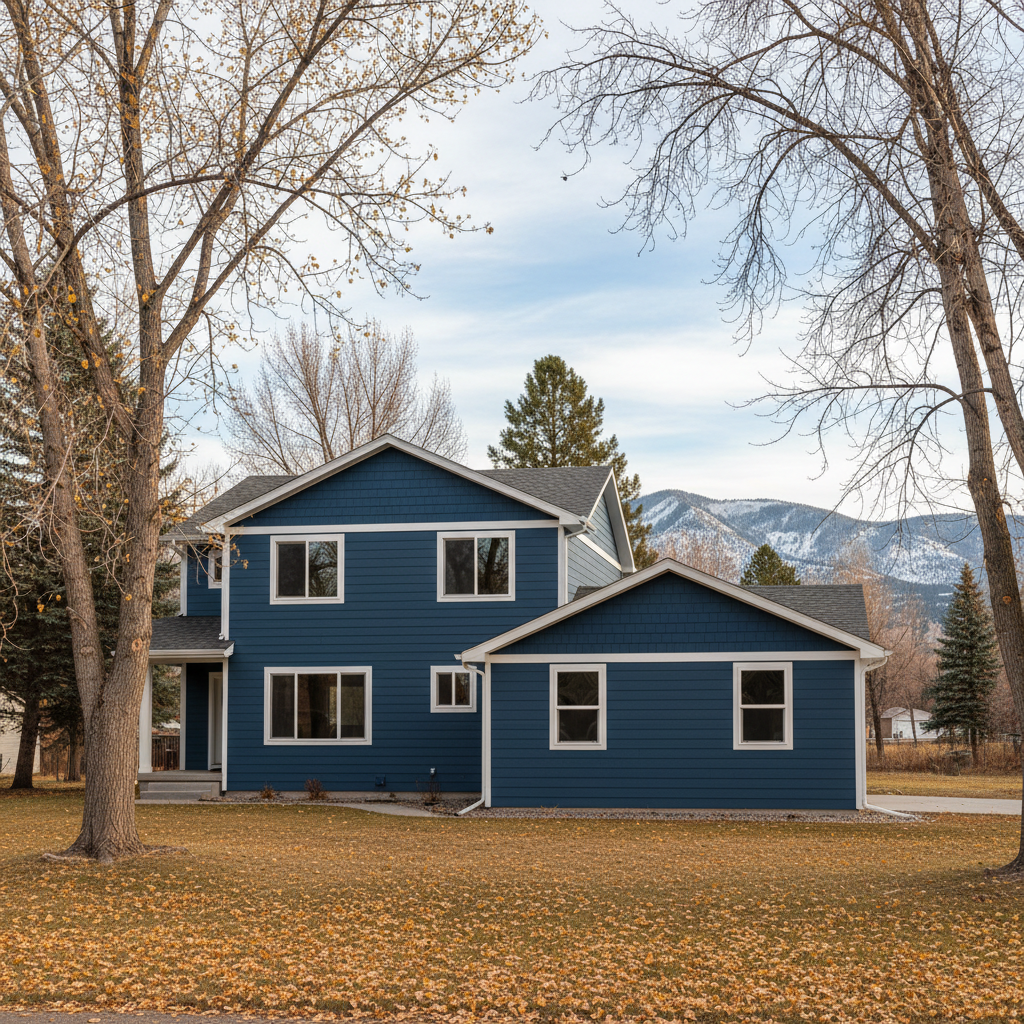
So, when should you actually check your home's siding? A lot of folks figure it's a "spring cleaning" kind of chore, but honestly, that's only part of the story. Your siding really takes a beating all year long here in Missoula, and knowing when and what to look for can save you a ton of headaches — and cash — down the road.
Why Checking Seasonally Just Makes Sense Here
Just think about everything your house goes through. We get those long, cold winters, right? Heavy snow piles up against foundations, sometimes sitting there for weeks on end. Then spring rolls around, bringing its freeze-thaw cycles and, occasionally, torrential rains that truly test every seam and piece of flashing. Summer means intense UV rays, which fade and degrade materials over time. And fall? Well, that can bring high winds, stripping leaves and, unfortunately, sometimes even loose siding panels.
It's not just about how things look, you know; it's about keeping your home's structure safe. Water getting in is the big enemy, and even a small crack or a loose bit of siding can be an open invitation for moisture, mold, and rot. I've seen plenty of homes in the Rattlesnake area, especially those older ones with their original siding, where a little neglect turned into a massive, expensive problem because water snuck in behind the cladding.
When to Get Your Siding Looked At
I always tell my clients at Skyline Siding Solutions that a good rule of thumb is to do a quick visual check yourself at least twice a year. Then, think about getting a professional inspection every few years, or definitely after any big weather event.
- Late Spring (May/June): This is your main inspection window. The snow's finally gone, the ground is drying out, and you can clearly see any damage winter might have left behind. Look for cracked panels, loose pieces, peeling paint, or anything that just seems off. Pay extra attention to spots around windows, doors, and rooflines — that's where water really likes to hang out.
- Early Fall (September/October): Before the truly cold weather sets in, give your siding another once-over. You're basically making sure everything's sealed up tight for winter. Are there any gaps that could let in cold air or moisture? Is the caulk still holding up? You want to catch any potential problems now, before freezing temperatures make them much, much worse.
- After a Major Storm: Did we just get slammed with a crazy hail storm? High winds? How about some heavy, driving rain? Take a walk around your house as soon as it's safe. Hail can dent or crack siding, and strong winds can loosen panels or even rip them right off. It's always better to find these things right away instead of letting them sit and cause more damage.
What Kind of Weather Affects Siding Work?
This is a huge factor, especially here in Missoula. You can't just throw siding up whenever you feel like it. The weather really dictates how materials behave and how well they install and cure.
- Temperature: Most siding materials, particularly vinyl and fiber cement, have specific temperature ranges for installation. If it's too cold, vinyl can get brittle and crack easily, which is no good. If it's too hot, it might expand too much, leading to buckling down the line. Fiber cement also needs certain temperatures for proper cutting and fastening. We're always checking the forecast for consistent temps, not just the daytime high.
- Moisture: You definitely don't want to install siding on wet sheathing or during a downpour. Trapped moisture is a recipe for disaster, plain and simple. We need dry conditions for house wrap to stick right and for the materials to settle correctly.
- Wind: High winds can make putting up large panels dangerous and really difficult. It can also blow dust and debris right into fresh caulk or sealants, messing up how well they work.
That's why you'll often see us working hard during those prime weather windows. We're not just trying to finish the job quickly; we're making sure it's done right, following the manufacturer's instructions, so it actually lasts.
Keeping Your Investment Safe All Year
Beyond just inspections, there are a few other things you can do to keep your siding in great shape:
- Keep it Clean: Dirt, mildew, and algae aren't just ugly; they can actually hold moisture against your siding. A gentle wash with a soft brush and mild detergent once a year can make a huge difference. Just be careful with pressure washers — too much pressure can damage siding and force water behind it.
- Manage Your Landscaping: Trim back bushes and trees so they aren't constantly rubbing against your siding. This prevents abrasion and also lets air flow freely, which helps keep the siding dry. And please, aim your sprinklers away from the house.
- Check Your Gutters and Downspouts: Make sure they're clean and directing water well away from your foundation. Overflowing gutters are a big reason for siding damage.
- Address Small Issues Promptly: Don't ignore that tiny crack or loose piece. A little caulk or a quick repair now can prevent a much bigger, much more expensive problem later.
Your home's exterior is its first line of defense, after all. Taking a little time each season to check on your siding, and knowing when to call in a pro, is just smart homeownership. It's what keeps your house looking good and performing well through all of Missoula's seasons.