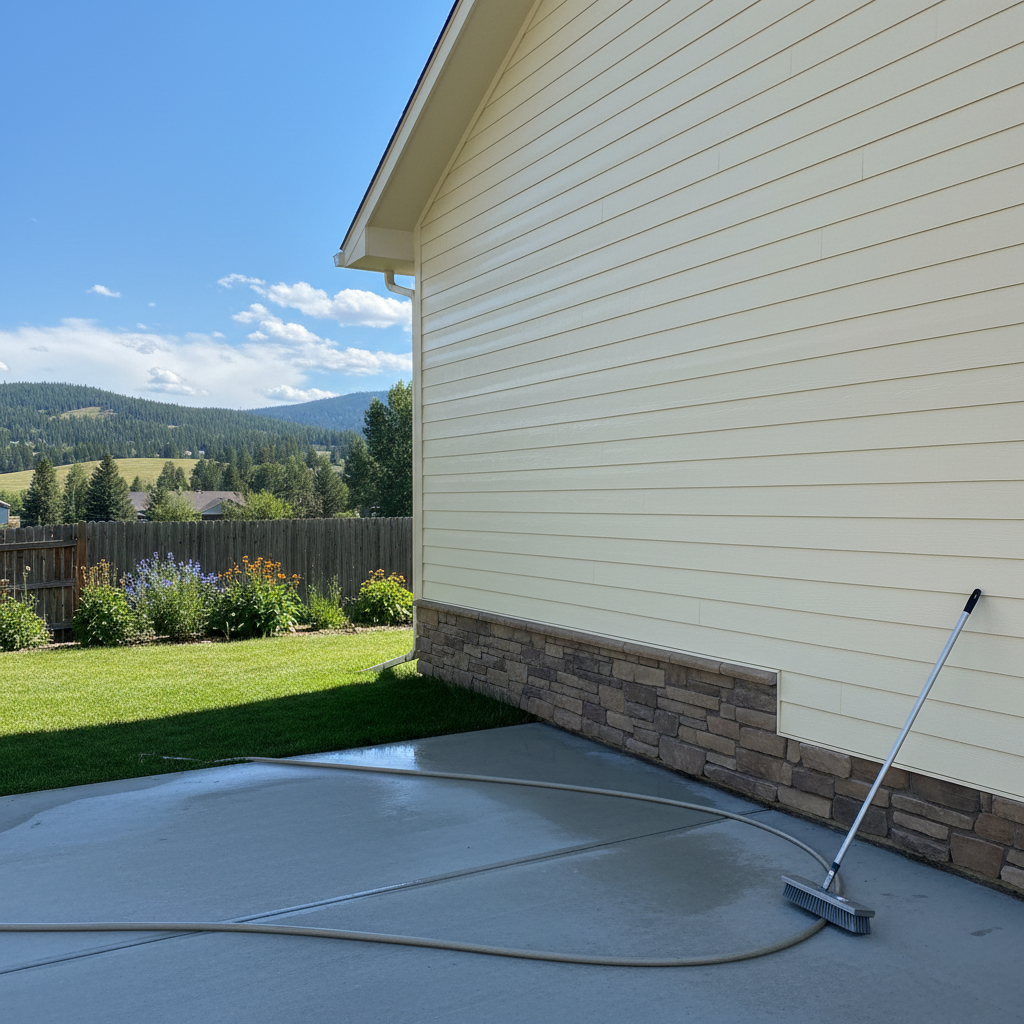
Alright, let's talk siding. You put good money into protecting your home, and you want that investment to last, right? Especially here in Missoula, where we get everything from blazing summer sun to those long, wet, and sometimes icy winters. Your siding takes a beating, and a little regular care goes a long way in keeping it looking good and doing its job.
Why Regular Siding Cleaning Matters
Think of your siding like the skin of your house. It's the first line of defense against the elements. Over time, it collects all sorts of stuff: dirt, dust, pollen, spiderwebs, and even mildew or algae, especially on the north-facing sides of homes that don't get much sun. Here in Missoula, with our river valleys and surrounding forests, pollen can be a real nuisance in the spring, coating everything in a fine yellow layer. If you let that stuff sit, it can dull your siding, make it look old before its time, and in some cases, even start to degrade the material.
Regular cleaning isn't just about curb appeal, though that's a big part of it. It's about preventing bigger problems down the road. Keeping it clean helps you spot potential issues early, and it extends the lifespan of your siding significantly. You wouldn't skip oil changes on your truck, would you? Same principle applies here.
Your Siding Maintenance Checklist
Maintaining your siding isn't rocket science, but it does take a little effort. Here's what I recommend:
- Annual Wash Down: Once a year, usually in the spring after the pollen storm, give your siding a good wash. For most types of siding – vinyl, fiber cement, aluminum – a garden hose with a spray nozzle and a soft-bristle brush is all you need. You can use a mild detergent mixed with water. Just make sure it's safe for your siding type. Work from the bottom up to avoid streaks, then rinse from the top down.
- Watch for Mildew and Algae: This is common, especially on sides of your house that stay damp or shaded. You'll see green or black patches. For these, a solution of one part bleach to four parts water works well, but always test it on an inconspicuous spot first. Rinse thoroughly afterward.
- Clear Gutters and Downspouts: This might seem unrelated, but clogged gutters can cause water to overflow and run down your siding, leading to streaks, staining, and even moisture intrusion behind the siding. We get a lot of pine needles and cottonwood fluff here, so check those gutters regularly.
- Trim Back Vegetation: Keep bushes, trees, and vines from touching your siding. They can scratch it, hold moisture against it, and provide pathways for pests.
- Inspect After Big Storms: After a heavy windstorm or a particularly nasty ice storm, take a walk around your house. Look for loose panels, cracks, or anything that looks out of place.
Warning Signs You Shouldn't Ignore
You're out there cleaning, and you notice something. What should you be looking for that signals a bigger problem?
- Cracks or Holes: Even small ones can let water in, and that's a recipe for rot and mold behind your siding.
- Warping or Buckling: This is common with vinyl if it wasn't installed correctly or if it's been exposed to extreme heat (like from a grill too close to the house).
- Fading or Chalking: While some fading is natural over decades, excessive or uneven fading can mean the protective coating is breaking down. Chalking is when a powdery residue comes off when you touch it.
- Loose Panels or Boards: Wind can get behind these and tear them right off, or worse, drive water into your wall structure.
- Rot or Soft Spots: If you have wood siding, poke around with a screwdriver. If it's soft or crumbly, you've got rot. This is a big one.
- Pest Damage: Holes, nests, or trails of sawdust can indicate critters have made your siding their home.
When to Call a Professional
Look, I'm a big believer in DIY when it makes sense, but there are times when you need to call in the pros. If you see any of those warning signs I just mentioned, especially cracks, rot, or significant damage, it's time to get an expert opinion. Don't let a small problem turn into a huge, expensive repair.
Also, if you've got a two-story house or a particularly steep roofline, and you're not comfortable on a ladder, don't risk it. A professional has the right equipment and knows how to work safely. Sometimes, a good power wash is needed, but done incorrectly, a power washer can actually damage your siding, forcing water behind it. We see that happen a lot. If you're not sure how to use one without causing damage, it's better to hire someone who does.
At Skyline Siding Solutions, we're always happy to come out, take a look, and give you an honest assessment. We've seen it all, from hail damage on Rattlesnake homes to sun-baked siding in the Orchard Homes area. Keeping your siding in good shape is about protecting your biggest investment, and we're here to help you do just that.