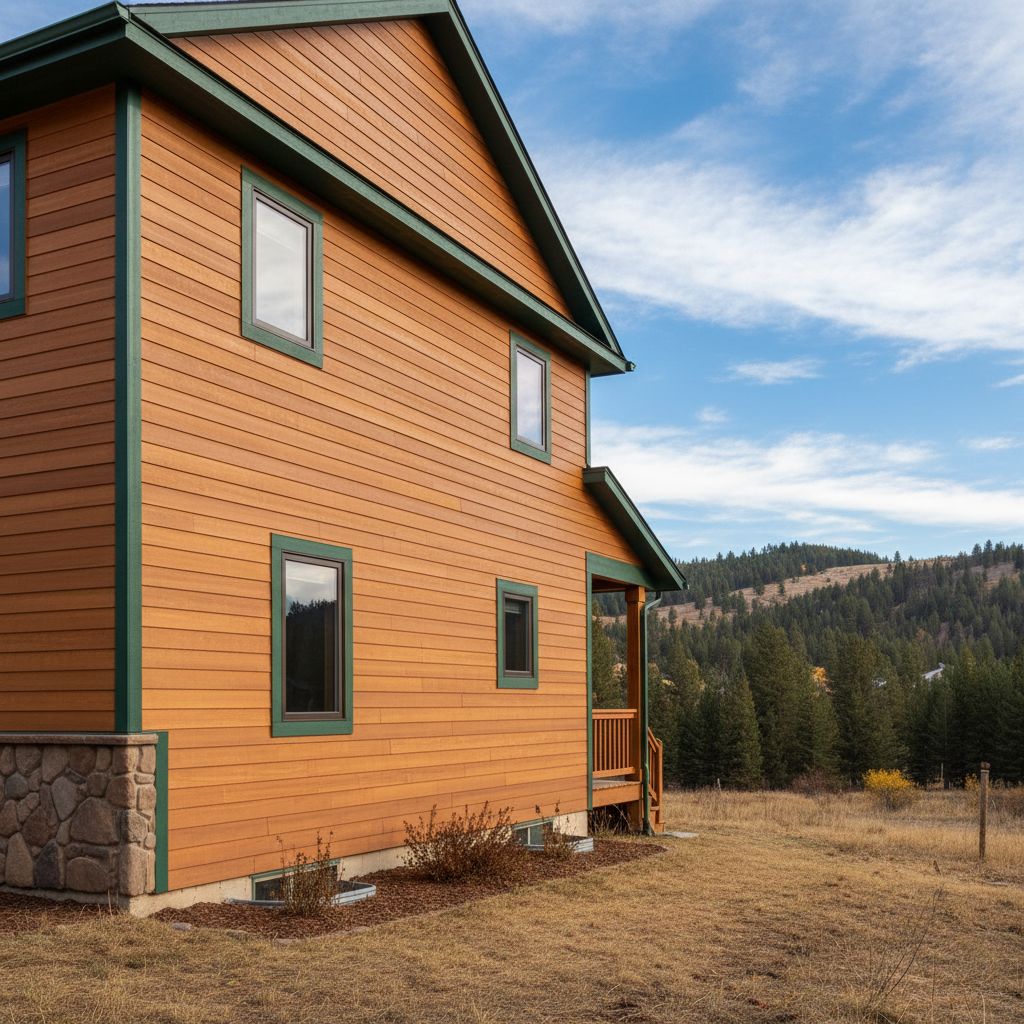
Wooden siding looks great, doesn't it? It gives a home a real classic, natural look, which a lot of folks here in Missoula really appreciate. But let's be real, wood needs a little more love than some other materials, especially with our crazy weather swings. One day it's 90 degrees and sunny, the next it's snowing in May, or we get those long, wet springs that just soak everything. If you've got wood siding, you'll definitely want to stay on top of its upkeep if you want it to last.
Extending Your Siding's Life: It's All About Protection
The biggest thing you can do to make your wood siding last is keep it protected from moisture and UV rays. That means a good quality stain or paint, and keeping it fresh. Think of it like sunscreen for your house, you know? Our intense summer sun, especially in neighborhoods like the Rattlesnake where homes get full exposure, can really bake a finish right off. Once that finish is gone, the wood starts to dry out, crack, and basically becomes a sponge for water.
You want to use a breathable finish. Wood needs to be able to release moisture, so don't seal it up tight with a non-breathable paint. A good quality oil-based stain or an acrylic latex paint designed for exterior wood is usually your best bet. And don't skimp on the prep work before you apply it. Cleaning, scraping loose paint, and priming any bare spots makes a huge difference in how long the new finish will stick and protect.
Regular Maintenance: Your Annual Check-Up
You don't need to be out there every weekend, but a yearly check-up goes a long, long way. I tell my clients to do a walk-around in the spring, after the snow's gone and things have dried out a bit. Here's what I look for:
- Clean it up: Dirt, mildew, and algae can trap moisture against the wood. A soft wash with a hose and a mild detergent (like an oxygen bleach solution) can do wonders. Just don't blast it with a high-pressure washer; you can damage the wood fibers or force water behind the siding.
- Check the finish: Look for peeling paint, faded stain, or areas where the wood looks dry and unprotected. These are your red flags.
- Trim back foliage: Any bushes, trees, or vines touching your siding are a problem. They hold moisture against the wood, block sunlight from drying it out, and can even scratch the finish. Keep them trimmed a foot or two away.
- Inspect gutters and downspouts: Make sure they're clean and directing water away from your house. Overflowing gutters can dump gallons of water directly onto your siding, which is a fast track to rot.
- Sealants and caulking: Check around windows, doors, and trim boards. If the caulk is cracked, dried out, or missing, water's getting in. Re-caulk as needed with a good quality exterior sealant.
If you see small areas of wear, you can often do spot repairs. Clean the area, sand it lightly, prime if needed, and apply a fresh coat of your siding's finish. Catching these small issues early prevents them from becoming big, expensive problems.
Warning Signs of Bigger Problems
Some things you see are more than just cosmetic. These are signs that water is getting where it shouldn't, and you need to act fast:
- Soft or spongy wood: Push on the wood with your thumb or a screwdriver. If it feels soft or gives way easily, you've got rot. This often happens near the bottom of walls, around windows, or where gutters have overflowed.
- Cupping or warping: If boards are bowing out, curling, or twisting, it means they're absorbing and releasing moisture unevenly. This can lead to cracks and gaps.
- Fungus or mold growth: Black, green, or white fuzzy patches aren't just ugly; they're actively breaking down the wood.
- Cracks or splits: Especially if they're deep and running along the grain, these are entry points for water.
- Pest activity: Termites, carpenter ants, and woodpeckers love compromised wood. If you see sawdust trails, small holes, or hear scratching, investigate immediately.
Don't ignore these signs. A small patch of rot can spread quickly, especially in our damp spring and fall seasons. What might be a simple board replacement now could turn into a whole section of siding if you wait too long.
When to Call a Professional
While a lot of routine maintenance is DIY-friendly, there are times you really should call in the pros. If you're seeing extensive rot, multiple warped boards, or suspect structural damage, that's beyond a simple weekend project. Also, if you're dealing with high areas that require special equipment, or if you're not comfortable on a ladder, it's safer to hire someone.
When it's time for a full re-stain or repaint, especially on a larger home, that's another good time to get us involved. We've got the gear, the experience, and we know the best products for our climate. Sometimes, homeowners try to tackle a big re-finish job themselves, only to find it's a much bigger undertaking than they thought. Skyline Siding Solutions has seen it all, and we can get your wood siding looking great and properly protected without the headache for you.
Ultimately, your wooden siding is an investment. A little attention each year can save you a lot of money and hassle down the road, and keep your Missoula home looking its best for decades to come.