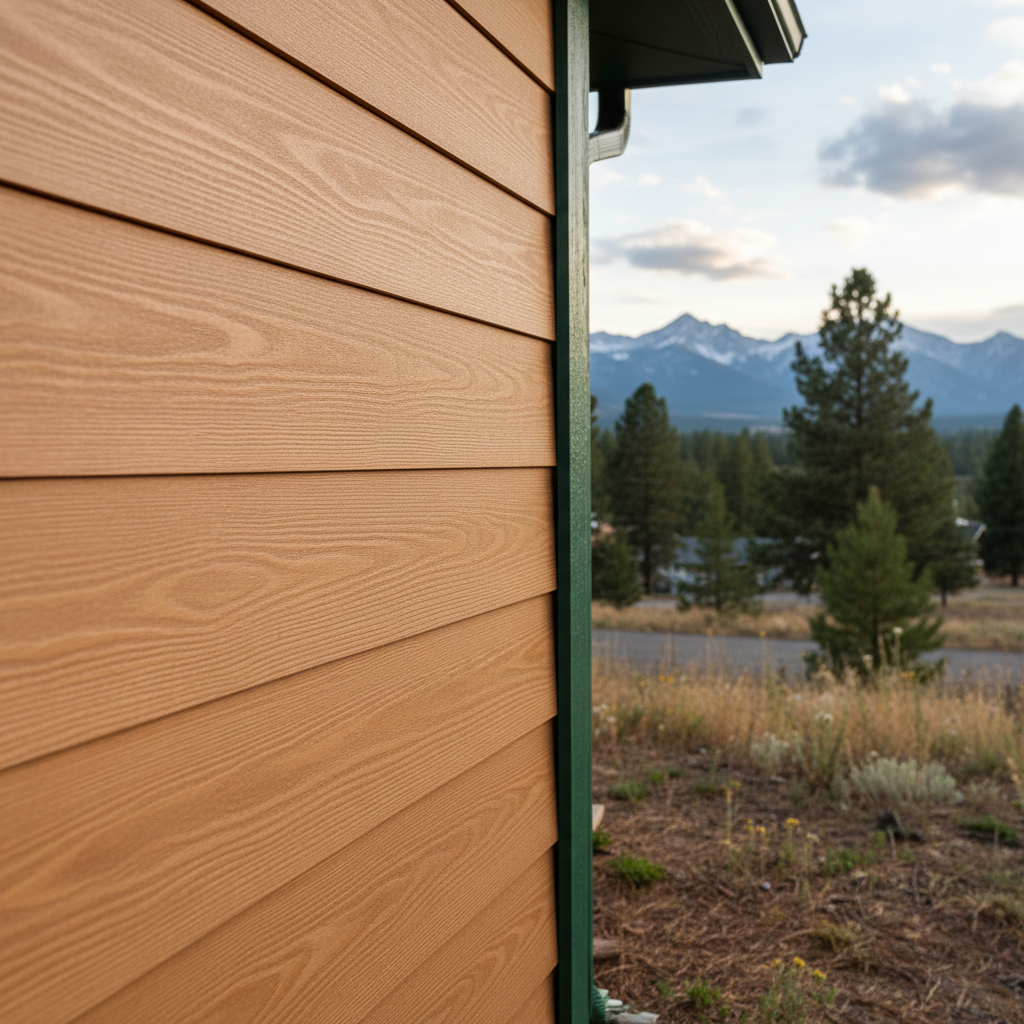
Your siding takes a beating out here in Missoula. Between those harsh winter thaws and the hot summer sun, it's constantly working to protect your home. A lot of folks don't think about their siding until they see a big problem, but a little proactive inspection can save you a ton of headaches and money down the road. I'm going to tell you what I look for when I'm walking around a house, and what you can easily check yourself.
Before You Start: Get Ready
Before you even step outside, grab a few things. You'll want a notepad and pen, maybe your phone to snap some pictures, and a pair of binoculars if you've got a two-story house. A small screwdriver or an awl can be handy too, but we'll get to that. The most important thing is a good pair of eyes and a willingness to look closely. Don't rush it; this isn't a race.
The Walk-Around: What to Look For
Start by walking the perimeter of your house, slowly. Look at each side, top to bottom. You're looking for anything that seems off. Here's a checklist of common issues:
- Cracks and Gaps: Are there any visible cracks in the siding panels? Even small hairline cracks can let water in. Look for gaps where panels meet, especially at corners or around windows and doors.
- Loose or Missing Panels: This is a pretty obvious one. If you see a panel flapping in the breeze, or a section where siding is completely gone, that's a red flag. Wind can really whip through Missoula, and it's often the culprit for dislodged pieces.
- Warping or Buckling: Siding, especially vinyl, can warp or buckle if it's not installed correctly or if it's been exposed to extreme heat. You'll see it bowing outwards or looking wavy.
- Fading or Discoloration: While fading is natural over time, uneven fading or significant discoloration in one area can indicate a problem. It might mean moisture is getting behind the siding, or that the material itself is breaking down.
- Rot or Soft Spots: This is where your screwdriver or awl comes in. Carefully and gently poke at any areas that look dark, discolored, or feel spongy. If the wood (or fiber cement) gives way easily, you've likely got rot. Pay extra attention around window sills, door frames, and where the siding meets the foundation.
- Mold, Mildew, or Algae: Green, black, or white growth on your siding isn't just ugly; it can hold moisture against the material, leading to deterioration. It's common on the north side of homes here, especially in shaded areas or where gutters might be overflowing.
- Pest Damage: Look for small holes, tunnels, or nests. Carpenter bees love to bore into wood siding, and other pests can get behind loose panels.
- Caulking Issues: Check the caulk around windows, doors, and other penetrations. If it's cracked, peeling, or missing, it's not doing its job of sealing out water.
- Flashing Problems: Flashing is that metal or plastic material that directs water away from vulnerable areas, like above windows or where a roof meets a wall. Make sure it's intact and properly diverting water.
Don't forget to check the soffits and fascia too, especially under the eaves. Those are often overlooked but are critical for keeping water and pests out of your attic.
After Your Inspection: What's Next?
Once you've done your thorough walk-around and noted everything, you'll have a good idea of your siding's condition. Now, what can you handle yourself, and when should you call in a pro like us at Skyline Siding Solutions?
DIY Fixes (If You're Handy):
- Cleaning: Most mold, mildew, and dirt can be cleaned with a pressure washer (used carefully!) or a good scrub brush and siding cleaner.
- Re-caulking: If you're comfortable with a caulk gun, replacing old, cracked caulk is a relatively easy DIY project that can prevent a lot of water damage.
- Minor Panel Reattachment: If a vinyl panel has just popped out of its track, you might be able to gently snap it back into place. For wood, a few nails might do the trick.
When to Call a Pro:
- Widespread Damage: If you've got multiple loose panels, significant warping, or rot in several areas, that's beyond a simple patch job.
- Rot or Soft Spots: Any signs of rot mean water has gotten in, and you need to assess the extent of the damage behind the siding. That's a job for someone with experience.
- Structural Concerns: If you suspect water has gotten into the wall cavity or caused damage to the sheathing or framing, don't mess around.
- High-Up Work: If you need a ladder to reach problem areas on a second story, and you're not comfortable or don't have the right equipment, it's safer to hire someone.
- Unsure What You're Seeing: If you spot something weird and you're not sure if it's a big deal or not, it's always best to get a professional opinion. We'd rather you call us for a quick look than let a small problem turn into a huge one.
Taking the time to inspect your siding regularly, maybe once a year in the spring or fall, is one of the best things you can do for your home. It's your first line of defense against the elements, and keeping it in good shape protects your biggest investment.