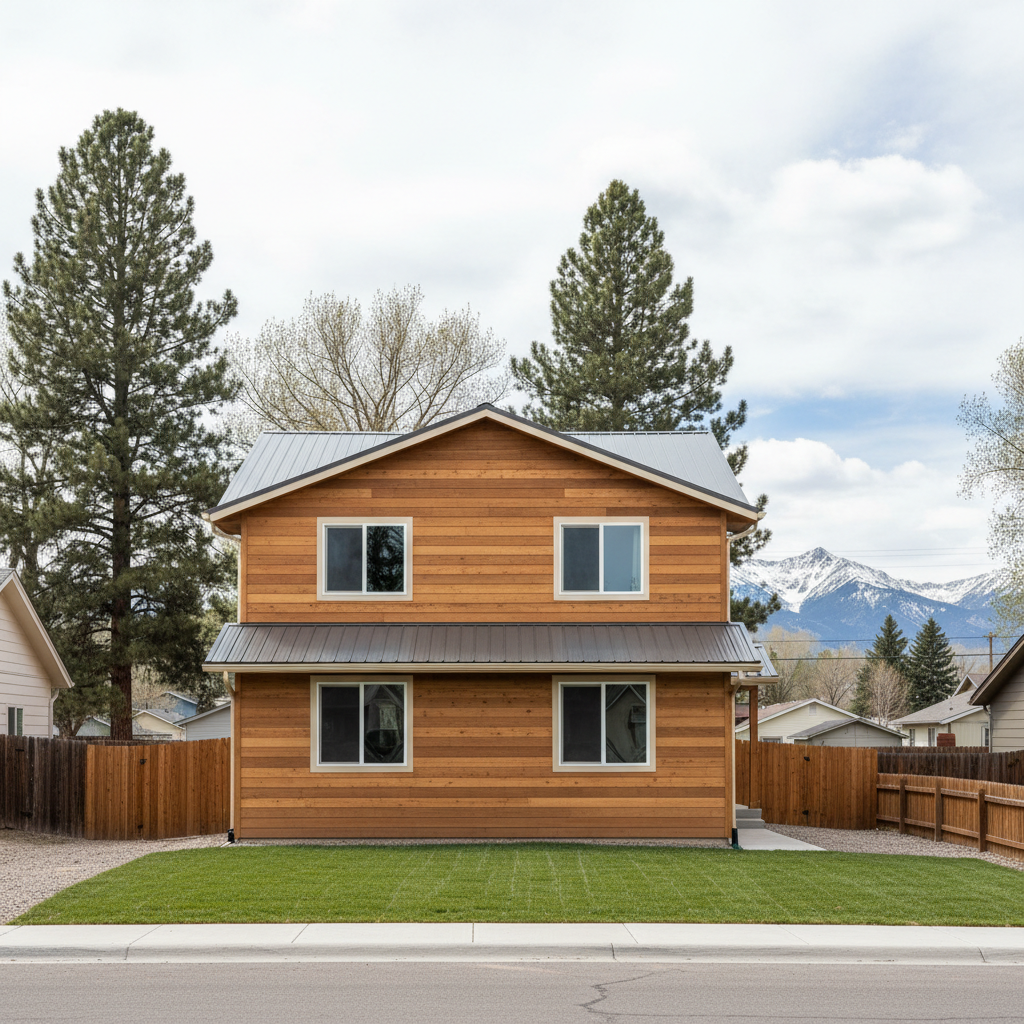
Thinking about wood siding for your Missoula home? It's a look that just feels right, doesn't it? Classic, natural, and it really fits in with our surroundings. But before you dive in, let's chat about what that actually means for a house in our neck of the woods.
Why Wood Siding Still Works in Missoula
Even with all the new options out there, wood siding totally holds its own. It's got that undeniable curb appeal, a warmth and character you just won't find with other materials. You see it everywhere, from those charming old bungalows in the University District to some of the newer builds out past Target. And it's so versatile! You could go with rustic cedar shakes, clean horizontal lap, or even board and batten for a more modern farmhouse feel. That natural insulation factor is a nice bonus too, helping keep your home a bit cozier in the winter and cooler when summer hits.
But let's be honest, it's not just about how it looks. Wood is a natural product, which means it breathes. It expands and contracts with our wild temperature swings here in Missoula, going from those scorching July days to the deep freezes of January. Good wood siding, when it's installed correctly, can handle that movement without cracking or buckling. That's a pretty big deal when you're talking about your home's exterior integrity.
The Missoula Climate and Your Wood Siding
Our climate here is gorgeous, but it's also tough on anything outside. We get hot, dry summers, followed by long, cold, and often snowy winters. That freeze-thaw cycle is a real killer for anything that holds moisture. So, wood siding has to shed water effectively. This means proper flashing, good paint or stain, and making sure it's not sitting in standing water or constantly getting soaked by sprinklers.
I've seen plenty of homes, especially those tucked away in shaded spots like Rattlesnake, where moss and mildew become a huge problem if the siding isn't kept up. Our spring and fall can be pretty wet, and if your siding isn't sealed right, that moisture gets in, settles, and starts causing rot. And it's not just the rain, either; the intense UV from our high-altitude sun can really bake a finish right off, leaving the wood exposed. That's why picking the right type of wood and the right finish is half the battle, wouldn't you say?
Common Wood Siding Types We See Here
- Cedar: This is probably the most popular choice around here, and for good reason. It naturally resists rot and insects, plus it's pretty stable. You'll find it as clear cedar, knotty cedar, or in shake form. It takes stain beautifully, and if you just let it weather naturally, it turns a lovely silvery-gray.
- Pine/Fir: Often a more budget-friendly option, but it definitely needs more protection. It's not as naturally rot-resistant as cedar, so you really have to stay on top of the paint or stain. You'll see it a lot on older homes or cabins.
- Engineered Wood: This isn't solid wood, but it's made from wood fibers and resins. It's designed to be more stable and resistant to pests and moisture. It's a solid alternative if you like the look of wood but want something that takes less upkeep than solid wood.
Maintenance Isn't Optional, It's Essential
Here's the thing: if you pick wood siding, you're signing up for maintenance. It's not a "put it up and forget it" kind of material. You'll need to inspect it regularly, probably every year or two. Look for peeling paint, cracking, soft spots, or any signs of moisture getting in. A good quality paint or stain job will last longer, but eventually, it'll need to be redone. How often? Well, that depends on its exposure, the product, and how well it was applied the first time. Could be 5 years, could be 10.
Ignoring your wood siding is a surefire way to end up with expensive repairs later on. What starts as a small patch of peeling paint can quickly turn into a rotted section that needs replacing. And trust me, replacing individual pieces of rotted siding is a lot more work than just cleaning and repainting.
Why Local Expertise Matters for Wood Siding
This isn't just about nailing boards to a wall. It's about understanding how wood behaves in our specific climate, knowing which products work best here, and having the experience to spot potential problems before they become huge headaches. A contractor who's only worked in a different climate might not really get the nuances of Missoula's weather or the specific challenges of our soils and moisture levels.
We've been doing this for a long time at Skyline Siding Solutions, and we've truly seen it all. We know what works, what doesn't, and how to properly prepare and install wood siding so it stands up to whatever Montana throws at it. It's about more than just looking good; it's about protecting your biggest investment. If you're serious about wood siding, make sure you're working with someone who understands our local conditions inside and out.