Got questions about cement siding? Good. It's a big decision for your home, and you shouldn't just jump in without knowing what you're getting into. I've been installing siding here in Missoula for years, and I hear a lot of the same questions about cement board. So, let's tackle the big ones head-on.
What exactly is cement siding? Is it just concrete?
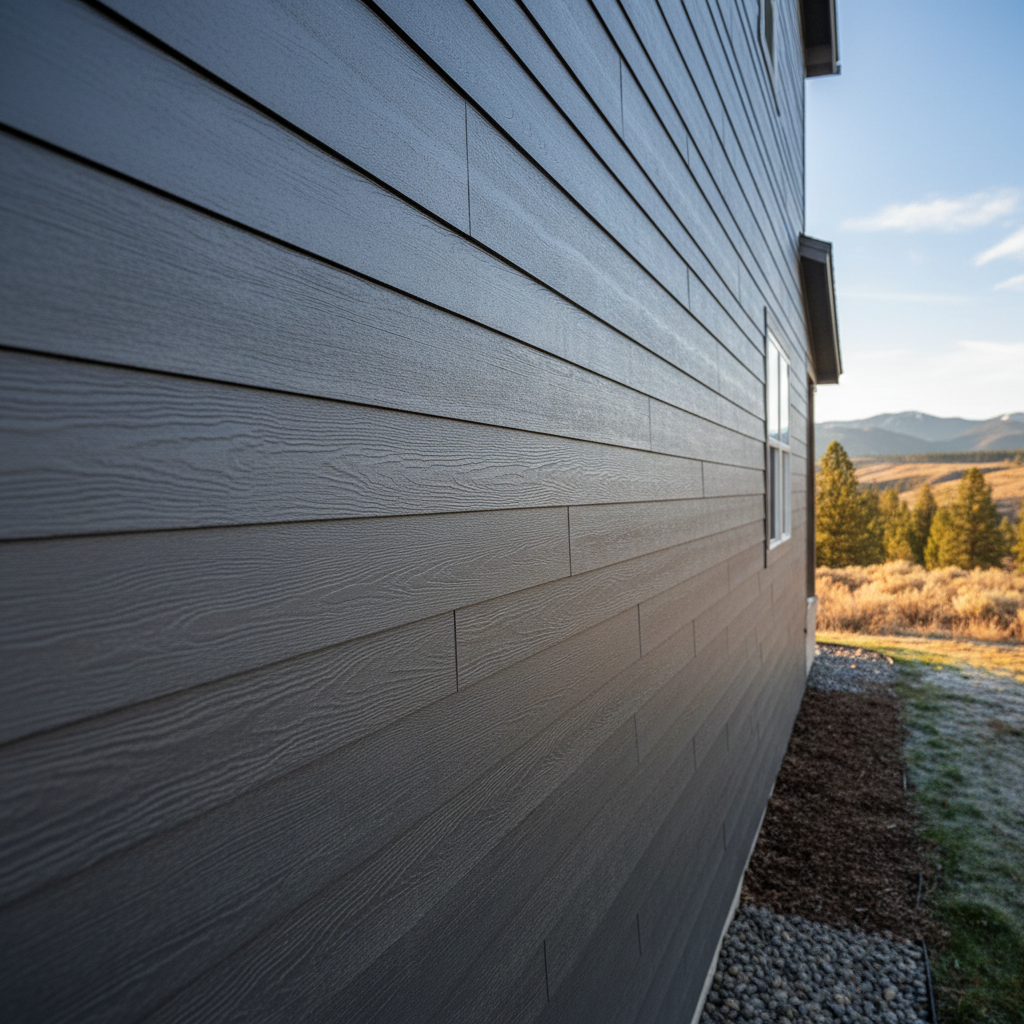
No, it's not just a slab of concrete slapped on your house, though I get why you might think that. Cement siding, usually called fiber cement siding, is a composite material. It's made primarily from cement, sand, water, and cellulose fibers. Those fibers are key; they give it flexibility and strength, preventing it from being brittle like plain concrete. It's pressed into sheets or planks that look a whole lot like wood siding, whether it's lap siding, shakes, or even vertical panels. The most common brand you'll hear about is James Hardie, and for good reason – they've pretty much set the standard.
How long does fiber cement siding really last in Montana's weather?
This is where fiber cement really shines, especially here in Montana. Our weather swings are brutal, right? Hot, dry summers, freezing winters, heavy snow loads, and those sudden temperature drops that can make other materials crack or warp. Fiber cement is built to handle it. It's resistant to rot, insects (termites don't care for it), and fire. It doesn't expand and contract nearly as much as wood or vinyl with temperature changes, which means less stress on the material and paint. Most manufacturers back it with a 30-to-50-year limited transferable warranty. Now, that doesn't mean it's maintenance-free for 50 years, but the material itself is incredibly durable. I've seen it hold up beautifully on homes in places like the Rattlesnake Valley where they get a lot of direct sun and heavy snow accumulation.
Is it really worth the extra cost compared to vinyl or wood?
That's the million-dollar question, isn't it? Upfront, yes, fiber cement is generally more expensive to buy and install than vinyl siding. It's also often a bit more than engineered wood, though sometimes comparable to premium wood siding. The material itself costs more, and it's heavier and requires specialized tools and a more skilled crew to install correctly. You can't just slap it up like vinyl. However, you've got to look at the long game. Because it lasts so much longer, requires less frequent painting (especially if you get the pre-finished kind), and stands up to our climate, your long-term cost of ownership can actually be lower. Think about it: if you replace vinyl every 15-20 years or repaint wood every 5-7, those costs add up. Fiber cement holds its value better, too, which is a bonus if you ever sell your home. It's an investment, plain and simple.
What kind of maintenance does it need?
While it's low-maintenance, it's not no-maintenance. You'll still need to give it some attention to keep it looking its best and performing properly. The main thing is keeping it clean. A gentle wash with a garden hose and a soft brush every year or two will get rid of dirt, dust, and any mildew that might try to grow in shady spots. You'll also want to inspect the caulking around windows, doors, and trim every few years. If you see any cracks or deterioration, get it re-caulked promptly to prevent water intrusion. And if it's painted on-site, you'll eventually need to repaint, typically every 10-15 years depending on the paint quality and sun exposure. If you go with pre-finished siding, the factory finish usually lasts even longer, often 15-25 years before needing a repaint. Just like anything else, a little proactive care goes a long way to extending its life.
Can I paint it any color I want, or am I stuck with factory colors?
You've got options here. Many homeowners choose fiber cement that's already primed and ready for paint. This means once it's installed, you or a painter can apply pretty much any exterior paint color you can imagine. This gives you maximum flexibility for customization. The other popular option, and one I often recommend, is pre-finished fiber cement. Brands like James Hardie offer a wide range of factory-applied colors. These finishes are baked on, giving them incredible durability and UV resistance, often with a longer warranty on the finish itself than what you'd get from a field-applied paint job. The downside is your color choices are limited to their palettes. But those palettes are extensive these days, so you can usually find something you love. It really comes down to whether you prioritize ultimate color freedom or maximum finish durability right out of the gate.
Is it hard to find someone to install it correctly in Missoula?
You need to be careful here. Fiber cement is heavy, it's brittle before it's installed, and it requires specific installation techniques to meet warranty requirements. You can't just hire any handyman. You need a contractor who's experienced with fiber cement, ideally one who's certified by the manufacturer. They'll know about proper flashing, nailing patterns, gap requirements for expansion, and how to handle the material without damaging it. Cutting fiber cement also creates a lot of silica dust, so proper safety equipment and dust collection are crucial. Don't be afraid to ask for references, check their licensing, and make sure they understand the specific installation guidelines for the product you're choosing. We at Skyline Siding Solutions have put in countless square feet of fiber cement, so we know the ins and outs. It's not a DIY job for most folks, and getting it wrong can void your warranty and lead to problems down the road.
What are the main downsides I should know about?
Okay, let's be honest, nothing's perfect. We talked about the higher upfront cost, and that's a big one for many people. It's also a heavy material, which means more labor and sometimes more complex handling during installation. If you're looking for a super fast install, this isn't it. The installation process is more involved and takes longer than, say, vinyl. And while it's durable, it can still crack if it takes a hard, sharp impact – like a really misplaced baseball or a falling tree branch. Repairs are possible, but they're not as simple as snapping in a new piece of vinyl. Also, as I mentioned, the silica dust created during cutting is a health hazard, so installers need to take proper precautions. But for most homeowners, the benefits of durability, longevity, and aesthetics far outweigh these downsides, especially in a place like Missoula where we truly test our building materials.