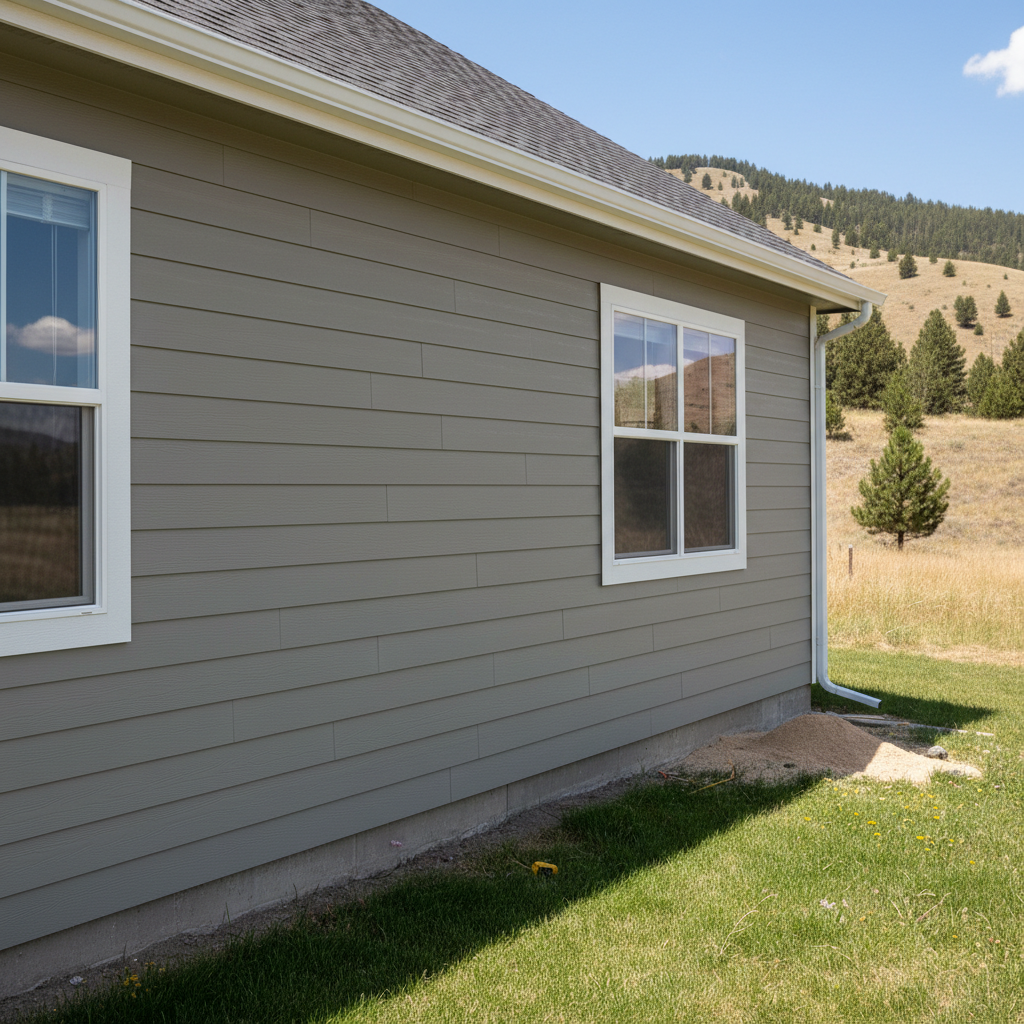
You've got cement siding on your home, and that's a smart choice. It's durable, fire-resistant, and looks great. But durable doesn't mean maintenance-free, especially here in Missoula where we get everything from scorching summers to deep freezes and heavy snow loads. I've seen firsthand what our climate can do to even the toughest materials if they're neglected. So, let's talk about keeping that investment looking good and performing its best for decades.
Extending Your Cement Siding's Lifespan
The biggest thing you can do to extend the life of your cement siding is simple: keep it clean and keep it painted. That might sound obvious, but you'd be surprised how often folks overlook these basics. The paint isn't just for looks; it's a protective layer. It shields the siding from UV rays, moisture absorption, and general wear and tear. A good quality exterior paint, applied correctly, is your siding's first line of defense.
Think about the freeze-thaw cycles we get here. Water can seep into tiny cracks, freeze, expand, and then create bigger problems. A well-maintained paint job prevents that. Also, make sure your gutters are clean and draining properly. Overflowing gutters can direct water right onto your siding, leading to staining, mildew, and accelerated wear, especially on the north-facing sides of your house that don't get much sun to dry out.
Another big one is landscaping. Keep shrubs and trees trimmed back from the siding. They can trap moisture against the material, rub against it in the wind, and even provide pathways for pests. Aim for at least six inches of clear space between your plants and the siding.
What Regular Maintenance Looks Like
Regular maintenance for cement siding isn't a huge chore, but it's consistent. I tell my clients to do a visual check twice a year, usually in the spring after the snow melts and again in the fall before winter sets in. Walk around your house and really look at the siding.
- Cleaning: You'll want to clean your siding every couple of years, or more often if it looks dirty. A soft brush and a mild detergent solution (like dish soap and water) are usually all you need. You can use a garden hose to rinse it off. Be careful with pressure washers; too much pressure can damage the surface, especially if it's older or the paint is flaking. If you do use one, keep it on a low setting and hold the nozzle at a distance.
- Caulking: Check the caulking around windows, doors, and other penetrations. This stuff takes a beating from the sun and cold. If you see cracks or gaps, scrape out the old caulk and apply a fresh bead of high-quality exterior caulk. This is crucial for keeping water out.
- Paint Condition: Look for peeling, blistering, or fading paint. If you see significant areas, it's probably time for a repaint. Don't wait until the siding itself is exposed. Repainting every 10-15 years is a pretty good rule of thumb, but it depends on the paint quality and sun exposure.
- Fasteners: Occasionally, you might find a nail head that's popped out a bit. Gently tap it back in. If it keeps popping, it might indicate a bigger issue, but often it's just a minor adjustment needed.
Warning Signs of Problems
Catching problems early saves you money and headaches down the road. Here are some things to watch for:
- Cracks: Hairline cracks are common and usually not a big deal, especially in older siding. But if you see cracks that are wider than a credit card, or if they're running in a pattern (like stair-stepping), that's a red flag. It could indicate structural movement or significant moisture damage.
- Swelling or Bulging: Cement siding shouldn't swell. If you see areas that look puffy or are pushing out, it's almost certainly water damage. This means moisture has gotten behind the siding and is causing issues with the sheathing or framing underneath.
- Discoloration or Stains: Dark streaks, green patches, or rust-colored stains are all signs of trouble. Green usually means algae or mildew, often due to constant moisture. Dark streaks below windows or vents can indicate leaks. Rust stains might be from metal components or fasteners.
- Soft Spots: If you can gently push on the siding and it feels soft or spongy, that's a serious sign of rot or water damage to the substrate.
- Pest Activity: While cement siding itself isn't a food source for pests, gaps and holes can invite insects or rodents into your wall cavities. Look for mud tubes, droppings, or holes.
When to Call a Professional
You can handle a lot of the basic maintenance yourself, but there are times when you really need to bring in someone with experience. If you see any of the serious warning signs I just mentioned – widespread cracking, swelling, soft spots, or persistent leaks – don't try to DIY it. Those issues often require specialized knowledge to diagnose the root cause and repair it properly. For instance, if you've got a section of siding that's delaminating or crumbling, that's beyond a simple patch job.
Also, if you're planning a full repaint and your house is tall or has complex architectural features, it's often safer and more efficient to hire professional painters. They have the right equipment and know-how to do a thorough job without risking injury or missing spots. Here at Skyline Siding Solutions, we're always happy to come out, take a look, and give you an honest assessment. We've seen it all, from homes in the Rattlesnake getting pounded by hail to houses in the Orchard Homes area dealing with persistent moisture issues from irrigation. Getting a professional opinion early can save you a lot of headache and expense down the line.
Your cement siding is built to last, but it needs a little help from you. Stay on top of the maintenance, keep an eye out for those warning signs, and don't hesitate to call us if you're unsure. Taking care of it now means you won't be dealing with bigger, more expensive problems later.