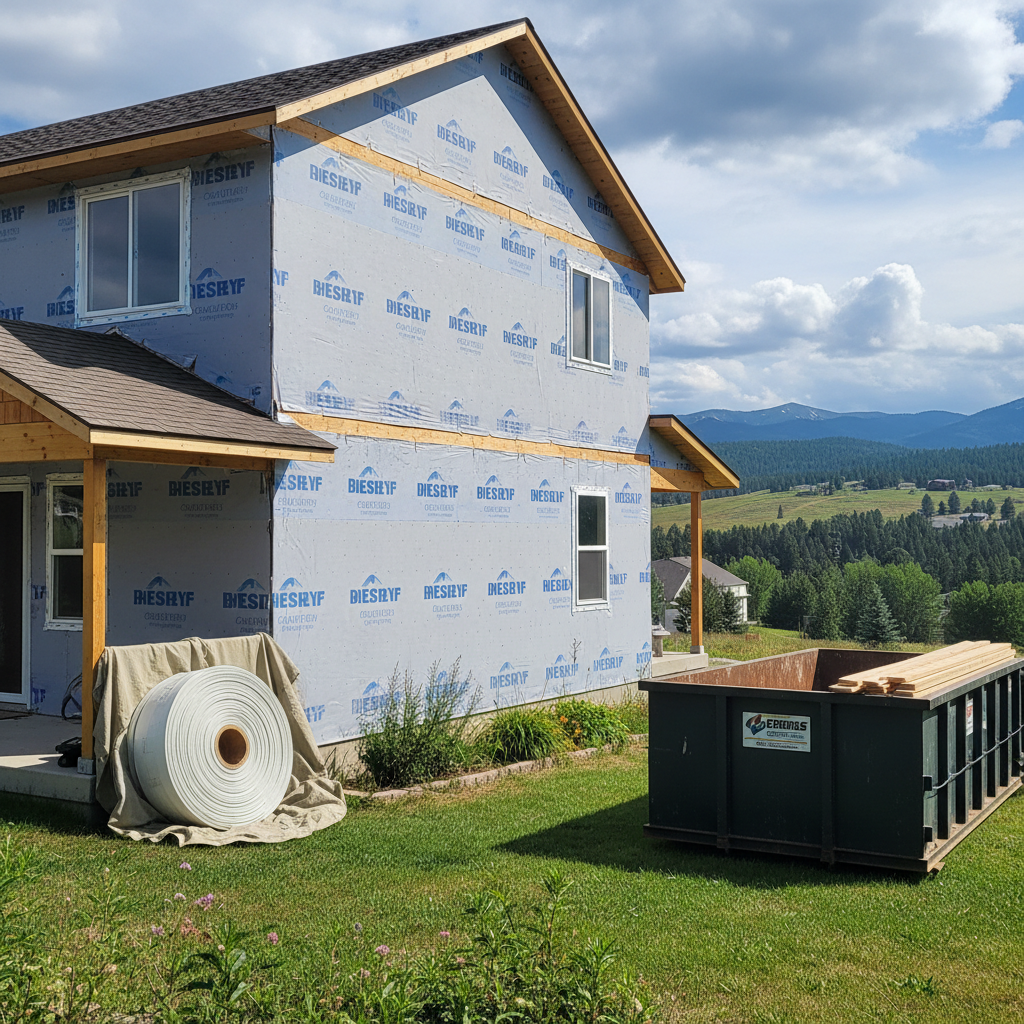
So, you've just had your old, worn-out siding torn off and beautiful new stuff put up. Maybe it was fiber cement, maybe vinyl, or even fresh wood. Whatever it is, you've made a big investment in your home's protection and curb appeal. But here's the thing: that investment needs looking after. You can't just set it and forget it, especially not with the kind of weather we get here in Missoula.
I've seen countless homes over the years, from the historic places downtown to the newer builds out in Grant Creek, and the ones that stand the test of time all have one thing in common: good maintenance. It's not rocket science, but it does take a little attention.
Extending the Life of Your Siding
The best way to make your new siding last is to be proactive. Think of it like getting a new car; you wouldn't skip the oil changes, right? Same goes for your house's exterior.
- Keep it Clean: This is probably the easiest and most overlooked step. Dirt, grime, pollen, and even those little green specks of algae can build up. Not only does it look bad, but it can trap moisture against the siding, which is a big no-no. A gentle wash once a year, maybe twice if your house is under a lot of trees, goes a long way. Use a soft brush or a low-pressure setting on a power washer – I'm talking garden hose pressure, not the kind that strips paint.
- Manage Moisture: Water is siding's worst enemy. Make sure your gutters are clean and draining properly, directing water away from your foundation. Check your downspouts; are they splashing water directly onto your siding? Extend them if they are. Also, trim back any bushes or trees that are constantly rubbing against the house or keeping the siding from drying out after a rain. We get plenty of moisture here, especially with our spring rains and winter snowmelt, so you've got to manage it.
- Inspect Regularly: Don't just wait for a problem to appear. Walk around your house a couple of times a year, maybe in the spring after the snow's gone and again in the fall before winter sets in. Look closely.
What Regular Maintenance Looks Like
Beyond the annual wash, there are a few other things you should be doing. It's not a huge time commitment, but it'll save you headaches and money down the road.
- Caulk Check: Look at all the areas where your siding meets trim, windows, doors, and corners. Caulk is there to seal out water, but it doesn't last forever. It can crack, shrink, or pull away over time. If you see gaps, it's time to re-caulk. This is a relatively easy DIY job if you're comfortable with a caulk gun.
- Paint & Stain: If you have painted or stained wood siding, you know the drill. It needs recoating every few years, depending on the product and exposure. Don't let it peel or fade too much before you address it. Fiber cement siding holds paint much better, but even it will eventually need a refresh.
- Fastener Focus: For wood or fiber cement, sometimes a nail or screw can pop out a bit due to expansion and contraction. Gently tap it back in. For vinyl, make sure panels aren't pulling away from trim or corners.
Warning Signs of Trouble
You're looking for anything out of the ordinary. These are your red flags:
- Cracks or Gaps: Any opening is an invitation for water to get behind your siding, which can lead to rot, mold, and structural damage.
- Warping or Buckling: This is common with vinyl if it's not installed correctly or if it gets too hot. For wood, it can indicate moisture absorption.
- Fading or Chalking: While some fading is normal, excessive or uneven fading can mean the finish is breaking down, leaving the material underneath exposed. Chalking (a powdery residue) on painted surfaces means the paint is deteriorating.
- Stains or Discoloration: Dark streaks, green patches, or rust stains can all point to moisture issues, mold, or metal components rusting.
- Loose Panels or Boards: If you can wiggle a piece of siding, it's not doing its job.
- Pest Activity: Holes, nests, or sawdust can indicate insects or rodents are making themselves at home behind your siding.
When to Call a Professional
While a lot of basic maintenance is DIY-friendly, there are times you absolutely need to call in the pros. Don't try to tackle something you're not equipped for, especially if it involves heights or specialized tools. Here at Skyline Siding Solutions, we've seen it all, and we're happy to help.
- Extensive Damage: If you have large sections of siding that are warped, cracked, or missing, it's probably beyond a simple repair.
- Water Intrusion: If you suspect water is actually getting behind your siding and into your wall structure – maybe you see water stains on interior walls or feel dampness – call someone immediately. This is serious.
- Rot or Mold: If you find soft spots in wood siding or see significant mold growth that you can't easily clean, it needs professional assessment.
- Hard-to-Reach Areas: If the problem is on a second story or a tricky spot that requires ladders or scaffolding, it's safer to hire someone with the right equipment and experience.
- Unsure What You're Seeing: If you spot something weird and you just don't know what it is, get a professional opinion. It's better to be safe than sorry.
Your new siding is a big investment. A little bit of care and attention will ensure it protects your home and looks great for decades to come. Don't neglect it, and it'll serve you well against those harsh Missoula winters and hot summers.